
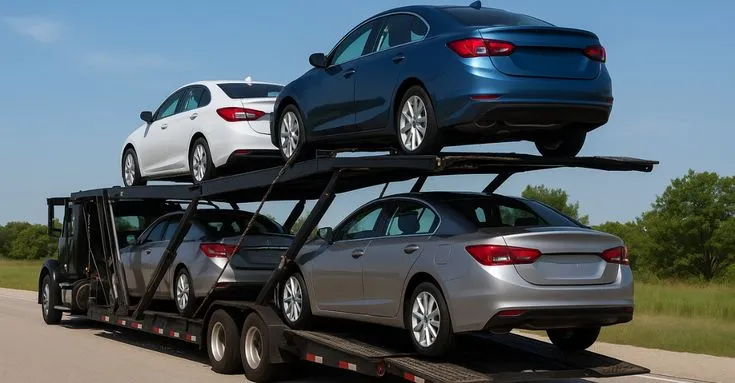
Shipping a vehicle to another city or state involves several decisions, and one of the most important is choosing between open and enclosed car transport. Both options can help move a vehicle over short or long distances, but they differ in trailer design, exposure to outdoor conditions, availability, and cost.
Understanding these differences can help you select a transportation method that suits your vehicle and budget. If you are arranging car shipping from Atlanta, Georgia, or planning an interstate move, here is what you should know before requesting a quote.
What Is Open Car Transport?
Open car transport uses an uncovered carrier trailer to move multiple vehicles at once. It is widely used throughout the automotive transportation industry and is commonly chosen for everyday vehicles, including sedans, hatchbacks, SUVs, and many pickup trucks.
One of its primary advantages is cost. Because open carriers can transport multiple vehicles during a trip, open shipping is often more economical than enclosed transport. Actual pricing depends on the route, vehicle size, seasonal demand, and other factors.
The main consideration is exposure. Vehicles on open carriers are exposed to rain, dust, and road debris during transit. Although open transport is a widely used shipping method, owners should understand this difference when deciding how to transport their vehicles.
What Is Enclosed Car Transport?
Enclosed car transport places vehicles inside a covered trailer. This provides an additional barrier against weather and road debris during transportation.
Enclosed shipping is often considered for classic cars, luxury automobiles, collector vehicles, restored cars, and specialty models. Owners of these vehicles may prefer the added protection because of the vehicle’s finish, rarity, or value.
However, enclosed shipping typically costs more than open transport. Covered carriers may have different capacities, operating costs, and availability, so prices can vary significantly between routes and dates.
Enclosed transport also does not eliminate all transportation risks. Customers should still review carrier insurance information, loading procedures, and claims requirements.
Key Differences Between Open and Enclosed Shipping
1. Vehicle protection
Open transport exposes the vehicle to outdoor conditions. Enclosed transport offers a covered environment that helps reduce direct exposure to weather and road debris.
2. Cost
Open transport is often the more economical option. Enclosed shipping generally costs more because of the equipment and capacity involved.
3. Vehicle suitability
Open transport works well for many everyday cars. Enclosed transport may be worth considering for classic, luxury, collectible, or specialty vehicles.
4. Availability
Open carriers are widely used, while enclosed carrier availability may be more limited on certain routes. Booking early can help when specific equipment is required.
5. Personal preference
Your budget, the vehicle’s condition, its value, and your comfort level with outdoor exposure all matter when selecting a shipping method.
Which Option Should You Choose?
If you are shipping a standard daily-use vehicle and want a practical transportation option, open car transport may be suitable. It is a common choice for relocations, online vehicle purchases, and many interstate shipments.
If you own a classic car, a valuable collectible, or a specialty vehicle with a delicate finish, enclosed transport may be worth the additional expense.
Consider the vehicle itself rather than choosing based only on price. A lower shipping quote is not automatically the best option if it does not meet your transportation requirements.
What Should You Ask Before Booking?
Before confirming a shipment, ask about the total price, estimated pickup window, expected transit timeframe, cancellation terms, payment requirements, and carrier insurance coverage.
Confirm whether the quote includes the agreed transportation arrangements and whether additional charges could apply. Provide accurate information about the vehicle, its condition, and the pickup and delivery locations.
Photograph the vehicle before pickup and inspect it again upon delivery. Document any newly observed damage on the applicable paperwork and follow the carrier’s claims procedure.
Get Help Choosing a Car Shipping Option
The right shipping method depends on your vehicle, route, budget, and desired level of protection. Pioneer Auto Transport helps customers explore open and enclosed car transport options for their transportation needs.
If you are planning a shipment involving Atlanta, Georgia, or another eligible destination, contact Pioneer Auto Transport to discuss your requirements and request a personalized quote.